Tuesday, 27 October 2015

Generate Concept Art Ideas for Computer Games

Unit 78: Digital Graphics for Computer Games
P2 Be able to Generate Concept Art Ideas for Computer Game Graphics


Stimulus
What is a brief?
A short description of what you have to do.
Client brief:
What someone has set.
Own brief:
What you are going to draw concept art for. Characters, weapons, backgrounds.
Market research:
Social and opinion research.

Ideas Generation
What would you do next?

Brainstorming:
Write down ideas for concept art that come to your head.
Mood boards:
An arrangement of images to present a style.
Thumbnail sketching:
Quick sketch of backgrounds and characters/items.
Concept drawings such as:
Backgrounds, Sprites, Character, Weapons, Vehicles, Environments

Legal & Ethical Considerations
Research and answer the following questions.

What is copyright law?
The current act is the Copyright, Designs and Patents Act 1988.
What is Libel?
False statement damaging the reputation of someone.
How are female characters represented in games?
In most games, women are portrayed as ‘damsels in distress’. They are often over-sexualised.
Consider E&D: eg race, gender, religion, sexuality
What is intellectual property?

Refers to creations of the mind, such as inventions; literary and artistic works; designs; and symbols, names and images used in commerce.

Thursday, 15 October 2015

Game Pre-Production Techniques | Unit 1 | Assignment

Summer Bates
BTEC Extended Diploma in Computer Games Design
Unit 1: Pre-Production Techniques for the Creative Media Industries
Pre-Production and Planning for a Computer Game

Prior to video game production there is a variety of different pre-production elements that need to be considered. Pre-production revolves mainly around finance and timing.
Before starting to develop a game (individually), you will need to see how much money everything is. For example, the equipment and software, do you need a certain PC to be able to test your game? Also consider what type of game you are going to make, e.g. an Indie game, this will also have an effect on the finance. It would be a lot more expensive if you chose to make something other than an Indie game. If you aren’t going to work individually and you decide to employ other people then you will need to consider the wages for everyone, you won’t be getting paid throughout the process of production but you will have to pay other people to work for you. Another piece of equipment that you might need is a Dev Kit, a Dev Kit is a piece of equipment that allows you to test your game on an Xbox or PlayStation. PlayStation Dev Kits cost around $2,500 (£1,600) and Xbox Dev Kits tend to be free but you have to go through a very long process in order to obtain one, you also have a very small chance of actually being given one. You may also have to pay for workspace, eg. Renting out a building so employees can have a safe place to work. 
You will also have to consider what platform you want to publish the game to. Console or PC. Publishing to Xbox costs around $5000 (£3000) and in order to publish to PlayStation you have to pitch your idea to them and they will consider whether or not it should go on the console, you will also have to pay a fee in order to publish it to the PS store. In order to publish to PC you will have to use Steam GreenLight, it costs $100 (£70). If you do decide to employ others, these are the job roles that you might need to be filled:
Animator
Game animators are responsible for the portrayal of movement and behaviour within a game.
Assistant Producer
Assistant producers work with game's production staff to ensure the timely delivery of the product.
Audio Engineer
Games audio engineers create the soundtrack for a game, including music, sound effects, character voices and spoken instructions.
Creative Director
Creative directors are responsible for the overall look and feel of a computer game.
External Producer
External producers ensure the successful delivery of a game, while working externally from the game development team.
Game Designer
Game designers devise what a game consists of and how it plays, defining all the core elements.
Game Programmer
Game programmers design and write the computer code that runs and controls a game.
Games Artist
Game artists create the visual elements of a game, such as characters, scenery, objects, vehicles, surface texture and clothing.
Lead Artist
Lead artists are responsible for the overall look of the game.
Lead Programmer
Lead programmers lead the programming team responsible for creating all the game's computer code.
Level Editor
Level editors define and create interactive architecture for a segment of a game, including the landscape, buildings and objects.
Marketing Executive
Marketing executives promote their employer's products or services or raise people's awareness of a message.
Marketing Manager
People working in marketing are responsible for promoting products and services to increase consumer awareness and boost sales.
Product Manager
Product or brand managers help create and implement marketing campaigns to maximise the sales of games.
Project Manager/Producer
Ensure the successful delivery of a game.
Public Relations Office
Look after an organisation's image and reputation.
QA Tester
QA testers test, tune and debug a game and suggest refinements that ensure its quality and play-ability, assuring quality in a game and finding all its flaws before it goes public.
Technical Artist
Technical artists act as a bridge between the artists and programmers working on a game.
If you are going to have a team of people developing a game for you, then you will need a lot of money to pay them.

You will need to decide on what needs to be done first and what needs to be done last. You have to make sure you know what the main priorities are.
The production of my game will need deadlines in order to complete it.
The software that I will need to be able to develop my game is GameMaker, this is because it is one of the easiest ways to make a 2D game. GameMaker costs around $155 (£100). I will also need to pay $100 (£70) if I wanted to publish the game to Steam GreenLight. I will not need to pay others to work for me as this is an individual project.
Is your game going to be story-based? If it is then you will need to produce a storyboard and some concept art before even starting the development, this will give you a clear image of what is going to happen and how it’s going to happen.
Before you start production, you will need to set up a plan. Having a plan will allow you to see what needs to be done and when, and how long it should take to complete. You can set deadlines, this will allow you to finish the product on time and perhaps even faster than you initially intended. Having deadlines will force you to complete a certain task so that you can start on the next, this will keep you organised and you won’t rush when it actually comes to the development. Also try and set a date for when the game is released, this will encourage you to work hard on the game in order to complete the production in time. 

Wednesday, 14 October 2015

Concept Art

Summer Bates

Concept art is a form of illustration, it helps present an idea for a game or film or comic book.
Concept art helps with the planning of video game objects / characters / backgrounds. It can also help with the design of different scenes.


Tuesday, 13 October 2015

Computer Game Graphics


Nathan Bolton
Summer Bates

What are computer game graphics?
Print Media Graphics: The design of the promotional posters and packaging for the game. Most games use posters. Sometimes the packaging of a specific game changes depending on the edition of the game. Different packaging is used to attract different people. The design of posters and packaging will also intrigue people and by creating this art, you are showing the public that you are trying to appeal to them.

In game graphics: The way the head-up display is designed and how the sprites of the game are designed. Different backgrounds and textures used. Sprites are 2-D images or animations within a game. The HUD is a transparent display that presents certain data to the user and this requires the player to look at it to understand what is going on in the game.

Concept Art graphics: The idea that you have for the design of a game. Drawn on paper or on the computer before the design is chosen. Concept art includes backgrounds, characters, objects etc. Concept art starts off as a quick sketch and then shading is added. The concept art can then be used to create 3-D models or 2-D models.


What is Graphics Specification?
Client needs: What a customer would want to have in a game, and you meeting their needs.

Audience: What game design appeals to each target audience?

Thumbnail sketching: The designs of the posters and covers.

Visual Style: Eg. colour, style. (photorealistic, cel-shaded, abstract, exaggerated)

Composition.

Typography: Is the style of the logo for the game you have created.

Technical considerations: eg. file format, file size, optimisation, file naming conventions, asset management, intended output.

Tuesday, 6 October 2015

Assignment 1: Understanding Digital Graphics within Computer Games

Summer Bates
BTEC Level 3 Games Design
Unit 78: Digital Graphics for Computer Games
Assessment 1: Understanding Digital Graphics used within Computer Games

I have researched the artistic style of games, graphics, image capture and a variety of other elements that are prior when planning a video game. I am choosing a 2D game and a 3D game to compare and contrast the digital graphics.
The 2D game I have chosen is called Chrono Trigger.


The 3D game I have chosen is called Tales from the Borderlands (Tftb).


You have to choose an artistic style for your game when in the process of planning. The artistic style of Chrono Trigger is Exaggerated. It is Exaggerated because of the way the characters look, they are presented as anime characters who have heavily exaggerated features. The scenes that the characters are put in have a heavily exaggerated background and the same goes for the objects that can be found in the game. A game that is more familiar which has the same art style as Chrono Trigger is Pokemon.        

 Tftb has an artistic style of Cel-shaded, it has been made to look like a comic book. The artistic style of a 2D game is very different to the artistic style of a 3D game, each game has a clear artistic style
that can vary between either, Exaggerated, Cel-shaded, Photorealistic or Abstract. A more familiar game with the same art style as Tftb is The Walking Dead.


The same artistic style for both a 2D and 3D game will look completely different because of the way a 2D game is pixelated.
Both of these games haven’t used any image capturing, these two games have been completely designed on a computer without any help of real locations.


Both of these games have to be optimised for the correct platform. Chrono Trigger was made for PlayStation consoles, DS consoles and a variety of other platforms, so each of these versions would have had to been personally optimised in order to work on each of these platforms. The game would have had to be compressed more for the DS than the PlayStation because of the size of the storage capacity. Tftb was made for Xbox 360/One, PS3/4 and PC, and again, this would have also had to be personally optimised for it to work on specific platforms.

Chrono Trigger uses Raster images and Tftb uses Vector images. You can clearly see the pixels in Chrono Trigger compared to Tftb where you can barely see them at all. However, Tftb has more pixels than Chrono Trigger because it has more detail, this makes the game have a higher resolution.

Tftb has a higher storage of image assets because of the Vector images, it has more bytes than Chrono Trigger. The images are clearer in Tftb than they are in Chrono Trigger so more space is needed for the game. Tftb would have been compressed more for low end computers and it would have been compressed less for high end computers. Chrono Trigger’s storage of image assets is a lot smaller than Tftb because of the Raster images, the game has a lower quality than Tftb. Tftb has a higher resolution than Chrono Trigger so this affects the file size. The higher the resolution the bigger the file size.


Chrono Trigger’s concept art is very different to Tftb’s concept art. Chrono Trigger is more anime than Tftb. Tftb and Chrono Trigger have detailed concept art.

Thursday, 1 October 2015

Assessment 1: Researching Games

Summer Bates
BTEC Extended Diploma in Computer Games design
Unit 22
Unit 72


Genres
Different games have different genres.

Action: Combat tends to play a big role in action games, this requires the player to have quick reflexes and be able to execute actions quickly. Examples of action games are Portal and Mortal Kombat.

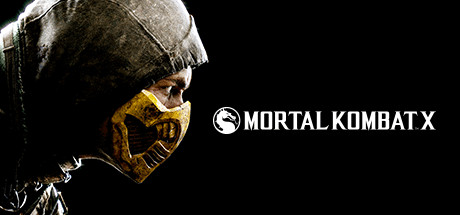
Shooter: Shooter games heavily embark on the aspect of combat, usually with items like guns and missiles. There are three types of shooter games, 2D, third person and first person shooters. Popular games like Battlefield and Call of Duty belong to the shooter genre.


Adventure: An adventure game is a game where the player is given a task to complete and while progressing through this tasks, other smaller tasks may occur. Examples of adventure games are The Stanley Parable and Monkey Island.
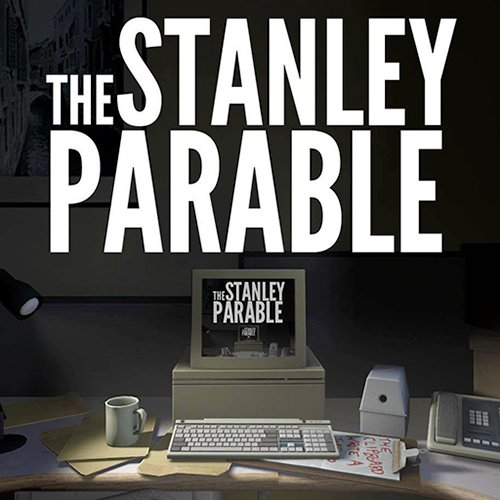

Action-adventure: Action-adventure games are mixture of the adventure and action genres. There is a goal you have to reach and there is also some form of combat or quick time event involved. Some of examples of action-adventure games are The Wolf among Us and The Last of Us.
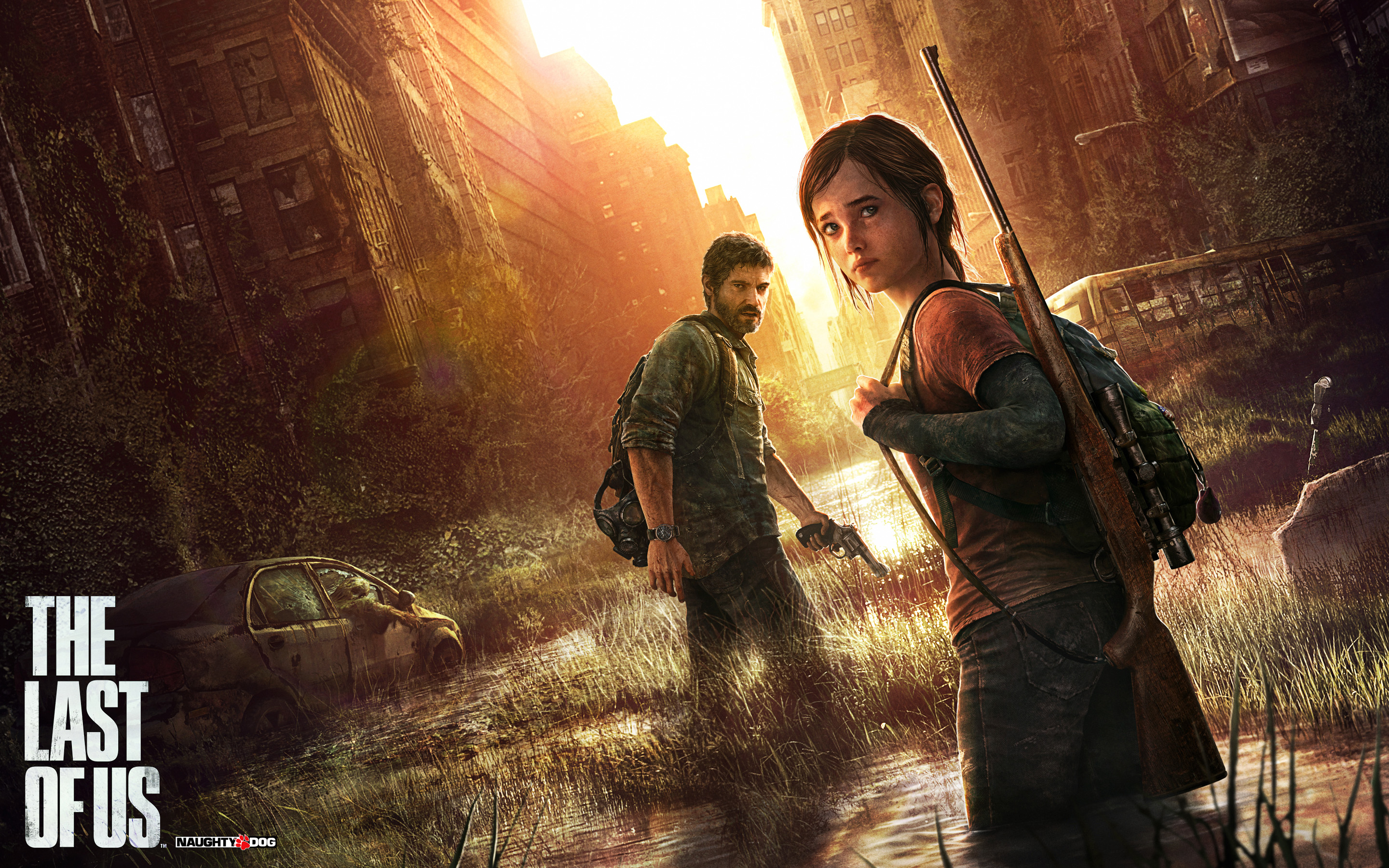

Role-Playing: The player has to play as one more more characters who have certain skills that specialize themselves. Each character will have a certain skill. These games also tend to have a story line in which the player chooses what to do, which could have a heavy impact on the outcome. You choose how your characters acts/behaves. Examples of role-playing games are Final Fantasy and Elder Scrolls.

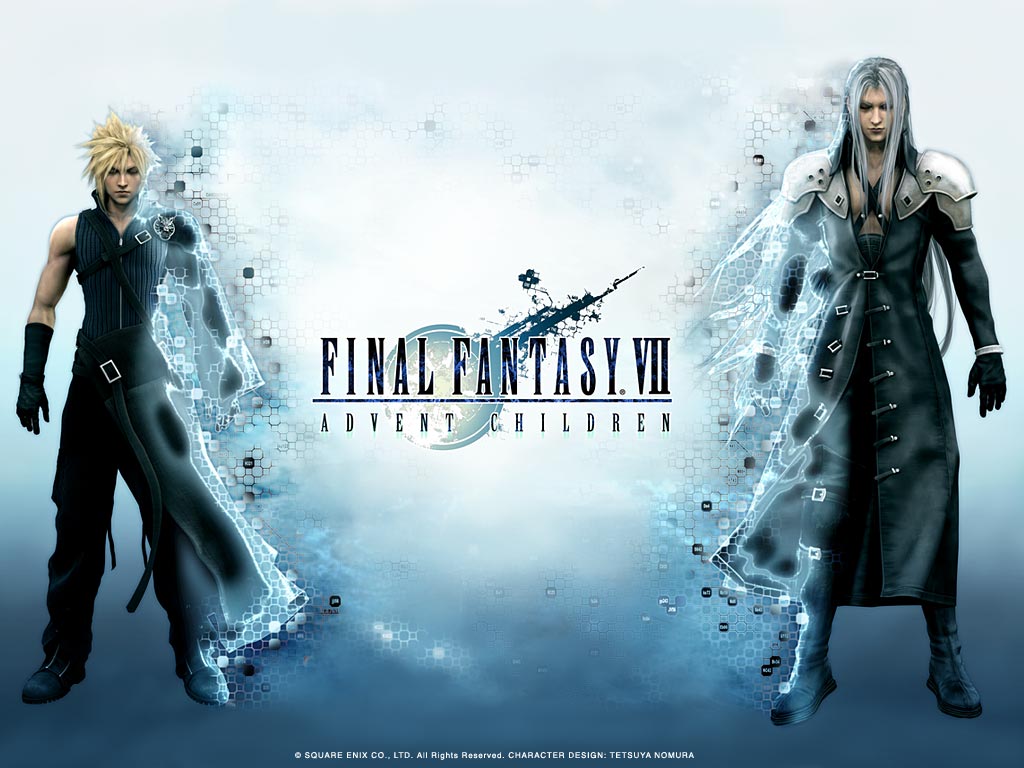
Simulation: Simulation games allow you to "experience" what it would be like to do a certain thing. These games are supposed to simulate reality. A popular simulation game is The Sims. Another example is Farming Simulator.


Strategy: Strategy games require the player to think/plan in order to proceed through the game. Professor Layton and Civ V are both strategy games.


Sports: Sport games are more competitive, they consist of you going against other people individually or in teams. Some sport games are also seen as driving games. Forza and Fifa are some well-known sport games.


Idle gaming: One of the least popular genres is Idle gaming. This consists of games like Cookie Clicker. This is where the player is given a simple task that they must continue to do over and over again. The player will be rewarded with upgrades as they progress throughout the game. Idle gaming also consists of games like Candy Box.


Logic games: These games just want you to use your common sense. Maze games are also seen in the logic genre. Games like Tetris could also fit into the logic genre. Doctor Mario is also apart of the logic games.


The good and bad things about Computer Gaming
There are many negatives when it comes to Computer Gaming, but they can be balanced out with the positives that it brings.


Positives
One positive effect that computer gaming brings is social skills. From playing online games, you may have to communicate with other people and this could improve your social skills in reality.

Another positive is that it will improve your hand-eye coordination! For example, in a shooter game, you will need to have quick reactions in order to stay alive. This could also apply to your non-virtual life as you may need to have quick reactions in difficult situations. Your second life could save your first.

Multi-tasking is also another positive which gaming gives. If you have to complete more than one thing in a certain amount of time, multi-tasking will allow you to do this and it may also make you feel less stressed, knowing that you will be able to complete everything in a certain time slot.

Perseverance is a big positive, if the player fails at something in a game, they tend to continue until they succeed. This teaches people to never give up and keep trying until you get it right.

Games could also potentially improve your mathematical skills, some games DO provide education.

Computers game can also improve your memory skills, by playing certain strategy/shooter games, you may have to remember what the best places are to go in order to win the game. You will be able to remember the important things and forget the pointless things. 

Team work skills are key in most online games. This will allow you to work in groups in real life and be able to communicate more with other people in order to solve a problem, this also links in with social skills. However, games could also improve your independent skills, depending on what type of game you are playing.

Games encourage you to take risks and this could be helpful in real life. This could also be seen as a negative as well, considering you might take the WRONG risks.

Games will also improve your quick thinking skills, allowing you to make fast decisions and it will allow you to analyse things faster.
Video games make learning more fun for kids and this will encourage them to actually learn more.

Negatives
There are also a few negatives when it comes to gaming. One being that you can become socially isolated and they may participate in less tasks like sport or reading. They may also forget about their homework and focus on video games instead. Gaming could also potentially destroy friendships as you spend more time playing games than spending time with friends and family.

People think that some games make their child think different. It makes them have bad behaviour or become more aggressive in certain situations.

Video games may also affect the player's health, such as obesity. Most people do play video games AND exercise, but others do not.

The online world of gaming can affect your child heavily. They can easily pick up bad language and they can also be vulnerable to online dangers and issues, including cyber bullying.

Gaming CAN help with short-term concentration, but it can also affect your long-term concentration.

Visual Style of a game
Each room will be a still image background of a facility. This will be a lot cheaper to make rather than using expensive programs in order to create an animated background.
All of the items will appear as 2D as well, they will be detailed as much as they can but again, it will be a lot cheaper if done in 2D instead of 3D. The characters, however, will look a little bit more 3D than everything else, you will able to see them more clearly than the background. In each level there are NPCs, the enemies. The game is intended to be Cel-shaded/Exaggerated.
Once you get to the boss level, there will be more NPCs (your friends). There will only be two cut-scenes which will be in 3D, one at the beginning and one at the end. The first one being 6 minutes long, and the final one being 5 minutes long. The location of this game will not have any similarities to any real-world places.


Game-play concept
The game is set in 2290.
You play as the main character called Taris, you have to go on a journey through a robot infested factory. Droids have taken over the country, and they intend to take over the world.

(THESE RULES ONLY APPLY TO LEVELS 1-4) Your task is to go through the factory and save all of your friends which have been taken hostage by the droids, they have all been turned into cyborgs. In each room there is a key, the key will allow you to unlock each cell in order to save your friends. But you have to wait a certain amount of time before you are able to retrieve the key. In order to start the timer you have to press a button which will be located somewhere in the room, once the button is pressed you will see a countdown. Once the countdown reaches 0 you will be able to retrieve the key. You have three lives and if you lose all of them then you have to start the level again. If you lose all of your lives three times, you have to start the whole game again, you will be sent back in time in order to have all your lives back again.

Whilst you are waiting for the key you will be attacked by a number of different robots. The robots (Stareks, Cyberoids and Zood) intend to turn you into a cyborg and use you as a weapon against the world.  (There are 4 'save your friend' levels, and one boss level)  There is also a 'Crate' located in each room, this 'Crate' contains a weapon called 'The Exterminator', this weapon can kill the robots. The only robot that the weapon will cause no damage to is the the boss, 'Datlof'. You have to a collect a new Exterminator in each room, this is because any weapons that aren't apart of Datlof's collection are disintegrated when you go through each door in the facility. The Exterminators are there in the first place because of Spanner, Spanner can summon specific weapons. He can also summon special weapons at random times in the game.

(BOSS LEVEL RULES) In the boss level, the rules slightly change. You have 5 lives and if you lose them all then you have to restart the boss level again, you can lose them all as many times as you like, you will NOT be sent back to the beginning of the game. The people you have saved in the previous levels will try to distract the robots whilst you fight Datlof, but they can still attack you if you get too close. You can click on one of your friends and click on a location you want them to go to, this allows you to control where you want a distraction to happen. C-BOT is the only friend you cannot control, he will not be able to distract the robots as he has no weapons. You can only control Spanner, Oswin and F.3-9.
At the beginning of the level, you can press the button next to the 'start here' point, this will slowly release a key, the key will take about 3 minutes to reach the end of the pipe. If you get the key, it will open up a room allowing you to go inside and collect an extra life. There is also another button in that room, but use it wisely, it will freeze all of the enemies for 20 seconds. The main part of this level is to actually defeat the boss. There are four different buttons on the floors in the room, each with a light above them. When the light turns green, you can go to the button that is highlighted and press it, this will cause damage to Datlof. You have to hit Datlof 25 times before he is destroyed, but if you are too slow, his health will regenerate. Datlof can release fire and electricity. You can still use the exterminator to attack the other robots but, as I mentioned before, it will have no effect on Datlof.
You win the game by defeating Datlof, once Datlof is destroyed, all of the enemy robots will go offline. All you have to do then, is walk out the front door.